So, yeah. It’s been a day.
I’ve made an effort with this website to not get negative about things— especially when it comes to the modern video game console biz. I’ve been rather loud on BlueSky with my gripes about it, but this place was (and still is) meant to share positive things.
This is a one-time interruption of that intent, and more typical posts about older video games and consoles will resume after this.
But, for now, I’m going to be candid and direct. I’m speaking purely for myself, and not for anyone else. I’m neither looking for agreement nor dispute— I’m just shooting straight from my mind after processing what’s transpired.
Let’s start with this: I, and probably at least some of you who have made it this far without closing your browser tab, knew this day was coming. Trends are what they are, and statistics bear that out. The vast majority of people who buy modern console video games are doing so via digital distribution. They’re buying from the PlayStation Store, or the Xbox Marketplace, or Nintendo’s eShops. Physical games still sell, but at nowhere close to the frequency they did 10, 15, and 20+ years ago.
The console video game industry gains significant advantages by putting an end to physical game production. It cuts manufacturing, warehousing, and shipping costs. It sends more traffic to platform holders’ digital storefronts. It ends the used game market for titles released after physical production has stopped. It also grants more control to the industry when it comes to content, which can now set and actively enforce limited license agreements.
These licenses, versus at least the illusion of ownership, have been at the center of debates. When someone purchases a game, are they buying the game or simply a license to play said game with terms that are agreed to when played?
When it comes to older video game consoles— think prior to Xbox 360— enforcing the terms of these licenses was extremely difficult, if not impossible. Once a game was bought, the publisher or platform holder wasn’t going to schedule someone to visit the player’s house and take the game back if the terms of the license were violated or expired. People who bought games basically owned them. The games could be lent out or sold off if the purchaser wanted, and the console video game industry wasn’t in a position to do much about it.
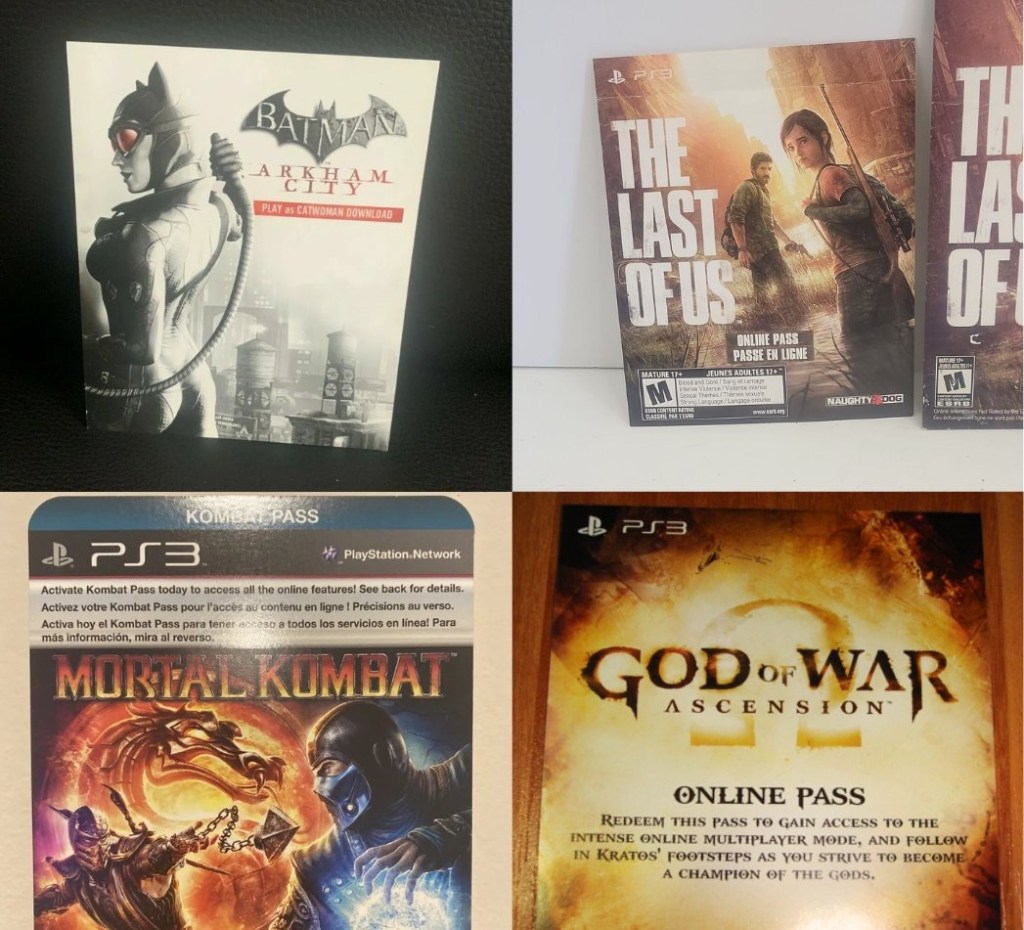
Once constant internet connectivity became a thing with video game consoles, though… the industry was able to start taking steps toward more control. While the Online Pass initiative only lasted for part of the Xbox 360/PlayStation 3 generation before publishers mostly relented, access to online play and/or certain content could be locked behind an activation code. One code came with each new copy of an Online Pass game; if it was entered and redeemed to unlock that content and then the game was sold and bought by someone else, the content would be locked for the new owner of the game unless another code was purchased.
The closures of digital storefronts, like for the Wii, Xbox 360, Wii U, and soon the PlayStation 3, mean that vast amounts of digital games are lost. If you buy a used Wii U or an Xbox 360 today, you can’t buy some or the console’s significant digital offerings. If it wasn’t for physical discs, all of the games for those platforms would be gone.
This latest power play, though? It changes everything, under the guise of “consumer trends”. A future with no used recent games is 17 months away from beginning. No rentals. No library checkouts. No loaning games to friends. No trading games in to help make buying new games more affordable. If you want to play a game, you’re paying a set price for it or not playing it at all. Don’t like the game? Too bad.
I shouldn’t care about any of this. If you’ve visited this website before or stopped by any of my socials, you’ve almost certainly seen my collection of older video games and consoles. I’m set for the rest of my life, honestly, given that I’m in my middle 50s now and am in the latter stages of being. I can walk away from the modern scene when I choose and go strictly “retro”. If (or, more likely, when) the modern video game industry completely implodes, I will keep on playing the classics.
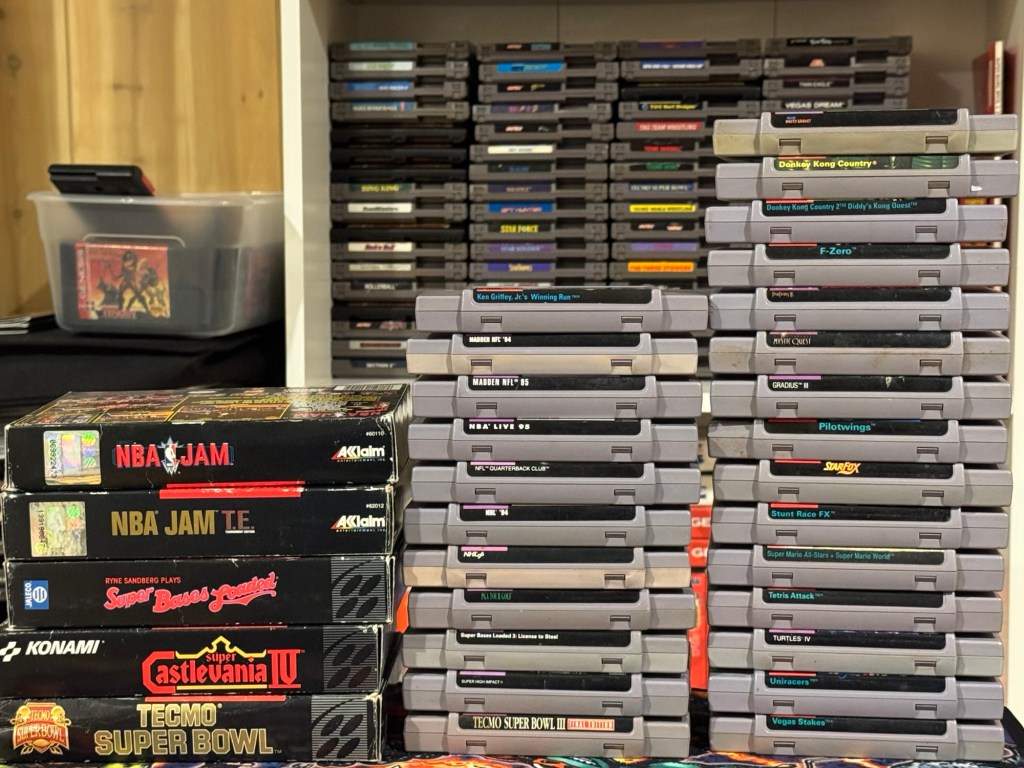
But… I’ve been in the modern console video game scene since 1991. I’ve got a Switch 2, Xbox Series X, and even a PlayStation 5 (which I haven’t touched in over a year… but still own!). It makes me sad to see the scenario that I used to warn about in my wannabe-analyst days poised to become reality. Everything will change, even if most video game players under the age of 25 don’t notice or care. Knowing that the days of going into a store and buying a new video game will amount to buying a card with a printed code or having the code on a receipt instead of the game, a case, a manual, and maybe an extra like a map or poster is depressing to me. It doesn’t feel like progress or evolution; it feels soulless and empty.
Maybe it’s just old age talking, and the kids these days don’t care. Maybe I care too much and need to keep my focus on the era of video gaming that makes me happiest.

 Pete's Perspective
What say you? Share a comment.